Now Accepting New Clients - No Wait List
Couples Counseling in Fort Collins, Colorado
Whether you’re facing communication challenges, navigating a major life transition, considering separation, or simply want to strengthen your relationship, couples counseling provides a safe space to work through difficulties and rebuild connection. As a Fort Collins therapist trained in evidence-based approaches including Gottman Method and Emotionally Focused Therapy (EFT), I help couples develop the tools and understanding needed to create healthier, more fulfilling relationships.
Relationship challenges don’t mean your partnership is beyond repair—they often signal that it’s time to learn new ways of connecting, communicating, and supporting each other through life’s complexities.



How Couples Therapy Can Transform Your Relationship
Couples counseling isn’t just for relationships in crisis. In fact, some of the most successful outcomes happen when couples seek support before problems become overwhelming. Whether you’re newlyweds learning to navigate conflict, long-term partners feeling disconnected, or a couple considering divorce but wanting to explore all options first, therapy provides structured support to help you understand each other better and develop healthier patterns of interaction.
The most common issues that bring couples to therapy include communication breakdowns where conversations escalate into arguments or shut down completely, recurring conflicts that never seem to get resolved, emotional or physical intimacy challenges, trust issues or recovering from infidelity, life transitions like becoming parents, career changes, or relocating, differences in values, goals, or expectations, feeling more like roommates than partners, and consideration of separation or divorce but wanting to make sure you’ve tried everything first.
What many couples don’t realize is that relationship distress isn’t usually about the topics you argue about—it’s about the patterns underneath those arguments. Do you pursue while your partner withdraws? Do you both shut down and avoid difficult conversations? Do you criticize while your partner becomes defensive? These patterns, not the content of your disagreements, are what keep you stuck.
Couples counseling helps you identify these patterns, understand what drives them, and develop new ways of interacting that create emotional safety, connection, and intimacy. My approach draws on evidence-based methods that have been proven effective through decades of research, including the Gottman Method which focuses on friendship, conflict management, and creating shared meaning, and Emotionally Focused Therapy (EFT) which helps couples understand and reshape the emotional bonds between them.
I also bring specialized understanding of how major life stressors—including brain injury, chronic illness, or trauma—impact relationships, providing integrated support when couples are navigating both relationship challenges and other significant difficulties.
Is Couples Counseling Right for You?
Couples therapy can help at any stage of your relationship and for a wide range of challenges.
You might benefit from couples counseling if you’re in a newer relationship learning to navigate differences and establish healthy communication patterns before problems become entrenched. Many couples wish they’d started therapy earlier—don’t wait until problems feel insurmountable. Early intervention builds a strong foundation and teaches skills that serve you throughout your relationship.
Perhaps you’ve been together for years and feel like you’ve lost the connection you once had. You’re not necessarily fighting—you might just feel like roommates going through the motions. Or maybe you are fighting about the same issues repeatedly without resolution, feeling stuck in patterns that leave you both frustrated and hurt. Long-term relationships go through seasons, and sometimes you need support navigating transitions or rekindling what’s been lost.
If you’re facing a major life transition—becoming parents, dealing with infertility, navigating blended family dynamics, caring for aging parents, processing a health diagnosis, or adjusting to retirement—these changes create stress that impacts even strong relationships. Couples counseling helps you support each other through these transitions rather than letting them drive you apart.
Some couples come to therapy after a betrayal or breach of trust. Recovering from infidelity is painful and complex, but it’s possible with the right support. Therapy provides a structured space to process what happened, understand why it happened, rebuild trust if that’s the goal, and decide together how to move forward—whether that’s healing the relationship or separating with clarity and respect.
You might be considering divorce or separation but want to make sure you’ve genuinely tried everything first, especially if children are involved. Discernment counseling can help you gain clarity about whether to work on the relationship, move toward separation, or continue as you are for now. Even if you ultimately decide to separate, couples therapy can help you do so in a way that minimizes harm and preserves co-parenting relationships.
Serving couples throughout Fort Collins, Loveland, Windsor, Greeley, and Northern Colorado. Both in-person and telehealth sessions available.
Evidence Based Couples Therapy That Actually Works
Not all couples therapy is created equal. I use approaches that are backed by decades of research showing they create real, lasting change in relationships.
The Gottman Method
The Gottman Method, developed by Drs. John and Julie Gottman through 40+ years of research with thousands of couples, provides practical tools and assessments to strengthen relationships. This approach helps couples build friendship and intimacy, manage conflict constructively rather than destructively, create shared meaning and purpose in the relationship, and break negative interaction patterns like criticism, defensiveness, contempt, and stonewalling.
Gottman Method therapy is structured, practical, and focused on building specific skills. You’ll learn concrete strategies you can use immediately, not just abstract concepts. This approach is particularly effective for couples who want clear guidance and actionable tools.
Emotionally Focused Therapy
Emotionally Focused Therapy helps couples understand the emotional undercurrents driving their conflicts and disconnection. Rather than focusing on surface-level arguments, EFT explores the attachment needs and fears that create negative patterns. This approach helps you identify your typical patterns of interaction and what triggers them, understand the emotions and attachment needs underneath conflicts, express vulnerability and needs in ways your partner can hear, respond to each other with empathy and support, and create new patterns of emotional connection and safety.
EFT is especially powerful for couples who feel stuck in pursue-withdraw patterns or who struggle with emotional intimacy and vulnerability. It’s backed by extensive research showing lasting improvements in relationship satisfaction.
Integrated and Personalized
Every couple is unique, so I tailor my approach to your specific situation, communication styles, and goals. Some couples benefit more from the structured, practical tools of Gottman Method, while others need the deeper emotional work of EFT. Often, I integrate both approaches along with other therapeutic methods to give you the most comprehensive support.
I also bring understanding of how external stressors—health issues, brain injury, trauma, career pressures, parenting challenges—impact relationships. If you’re dealing with relationship difficulties alongside other major life challenges, I provide integrated care that addresses both.
Ready to start working on your relationship? Schedule a Consultation
Your Couples Counseling Journey
Many couples feel nervous about starting therapy—that’s completely normal. Here’s what you can expect:
First Session: Assessment and Goal Setting
In our initial session, I’ll meet with you together to understand your relationship history, current challenges, and what you hope to achieve through therapy. I’ll ask about your strengths as a couple, how you typically handle conflict, what patterns you’ve noticed, and what you want to be different. This is a chance for both of you to share your perspectives in a safe, structured environment.
Sometimes I’ll ask you to complete brief assessments that help identify areas of strength and opportunities for growth. There’s no judgment—these tools simply give us a roadmap for our work together.
Ongoing Sessions: Building New Patterns
Most couples attend weekly or biweekly sessions, though we’ll find a rhythm that works for your schedule and needs. Each session typically lasts 50-75 minutes. We’ll work on specific skills like listening and communication, managing conflict without damaging the relationship, expressing needs and vulnerabilities, rebuilding trust and emotional safety, and creating positive rituals of connection.
Between sessions, I may suggest exercises or experiments to practice new skills at home. Change happens through consistent practice, not just in the therapy room.
Progress and Adjustment
Therapy isn’t linear—some weeks feel like breakthroughs, others feel harder. That’s normal. We’ll regularly check in on your progress and adjust our approach as needed. Most couples notice shifts within the first few months, though the length of therapy varies depending on your specific situation and goals.
Some couples work with me intensively for a few months to address a specific crisis, while others engage in longer-term work to create deeper, more lasting changes. There’s no predetermined timeline—we’ll work together until you feel equipped with the tools and understanding you need.
Couples Therapy FAQs
What if my partner doesn't want to come to therapy?
It’s common for one partner to be more enthusiastic about therapy than the other. If your partner is hesitant, that’s okay—sometimes starting with individual therapy for yourself can create positive changes that impact the relationship. I can also meet with you individually first to discuss strategies for inviting your partner into the process without pressure or blame. Many reluctant partners become more engaged once they experience that therapy isn’t about taking sides or assigning fault—it’s about creating a space where both people feel heard and supported. If your partner genuinely refuses to participate, individual therapy can still help you understand relationship dynamics, communicate more effectively, set healthy boundaries, and decide how you want to move forward.
Will you take sides or tell us to break up?
No. My role isn’t to judge your relationship or tell you what to do. I’m here to help you both gain clarity, improve communication, and work toward the relationship you want—whatever that looks like. Couples therapy is a neutral space where both perspectives are valued and explored. I may point out patterns or dynamics I notice, offer perspective on how certain behaviors impact the relationship, and teach skills that research shows are effective, but I don’t make decisions for you. The goal is to empower both of you to make informed choices about your relationship.
What if we've tried therapy before and it didn't help?
Not all couples therapists use evidence-based approaches, and not every therapist is the right fit for every couple. If you’ve tried therapy before without success, I’d encourage you to give it another chance with a therapist trained in methods like Gottman or EFT that have strong research support. Sometimes couples also start therapy too late—when damage is extensive and hope is depleted—or they don’t commit to consistent attendance and practice between sessions. If you’re willing to show up consistently, be vulnerable, and practice new skills outside of sessions, evidence-based couples therapy has a strong track record of creating real change.
How long does couples therapy take?
The length of therapy varies depending on your specific situation, goals, and how actively you engage in the process. Some couples work with me for 3-6 months to address a specific issue or navigate a particular transition. Others engage in longer-term work over 6-12+ months to create deeper changes in long-standing patterns. We’ll check in regularly about progress and adjust as needed. Most couples begin noticing improvements within the first 2-3 months if they’re attending consistently and practicing between sessions.
Do you offer divorce counseling or discernment counseling?
Yes. If you’re considering separation or divorce, I offer discernment counseling—a specialized short-term approach (typically 1-5 sessions) designed to help couples gain clarity about whether to work on the relationship, move toward divorce, or continue as they are. Discernment counseling isn’t about reconciliation or splitting up—it’s about understanding how you got here, what each person has contributed to the problems, and what paths forward might look like. If you decide divorce is the right path, I can also support you through conscious uncoupling—separating in a way that minimizes harm, especially when children are involved, and preserves respect and cooperation for co-parenting.
Do you offer sliding scale fees?
Yes, I offer a sliding scale for couples experiencing financial hardship. I understand that financial stress itself can be a major relationship challenge, and I don’t want cost to prevent you from getting support. Please reach out to discuss your situation and what payment options might work for you.
Can we do therapy virtually, or does it need to be in person?
I offer both in-person sessions at my Fort Collins office and secure, HIPAA-compliant virtual sessions via telehealth. Many couples find virtual therapy more convenient, especially if you have young children, demanding schedules, or live outside Fort Collins. The effectiveness of couples therapy doesn’t depend on being in the same room—what matters is your commitment to the process and the quality of the therapeutic relationship. We can discuss what format works best for you.
About Heidi Kalak, LCSW, Fort Collins Couples Therapist
I’m Heidi Kalak, a licensed clinical social worker (LCSW) providing couples counseling and relationship therapy in Fort Collins, Colorado. I’m trained in evidence-based approaches including Gottman Method and Emotionally Focused Therapy (EFT), and I draw on years of experience helping couples strengthen communication, resolve conflicts, rebuild trust, and create deeper emotional connection.
My approach to couples therapy is compassionate, structured, and focused on practical skills alongside deeper emotional work. I believe that most relationship challenges aren’t about fundamental incompatibility—they’re about patterns that can be changed with the right support, tools, and commitment.
Whether you’re looking to strengthen an already good relationship, work through a difficult season, or gain clarity about your future together, I’m here to support you both with respect, empathy, and expertise.
Learn more about my background and approach on the About page
Additional Counseling Services in Fort Collins
In addition to couples counseling, I also offer:
Individual Therapy
Sometimes individual work complements couples therapy, helping you address personal challenges, past trauma, or mental health concerns that impact your relationship. Individual counseling can run concurrently with couples work or serve as a foundation before couples therapy begins.

Family Therapy
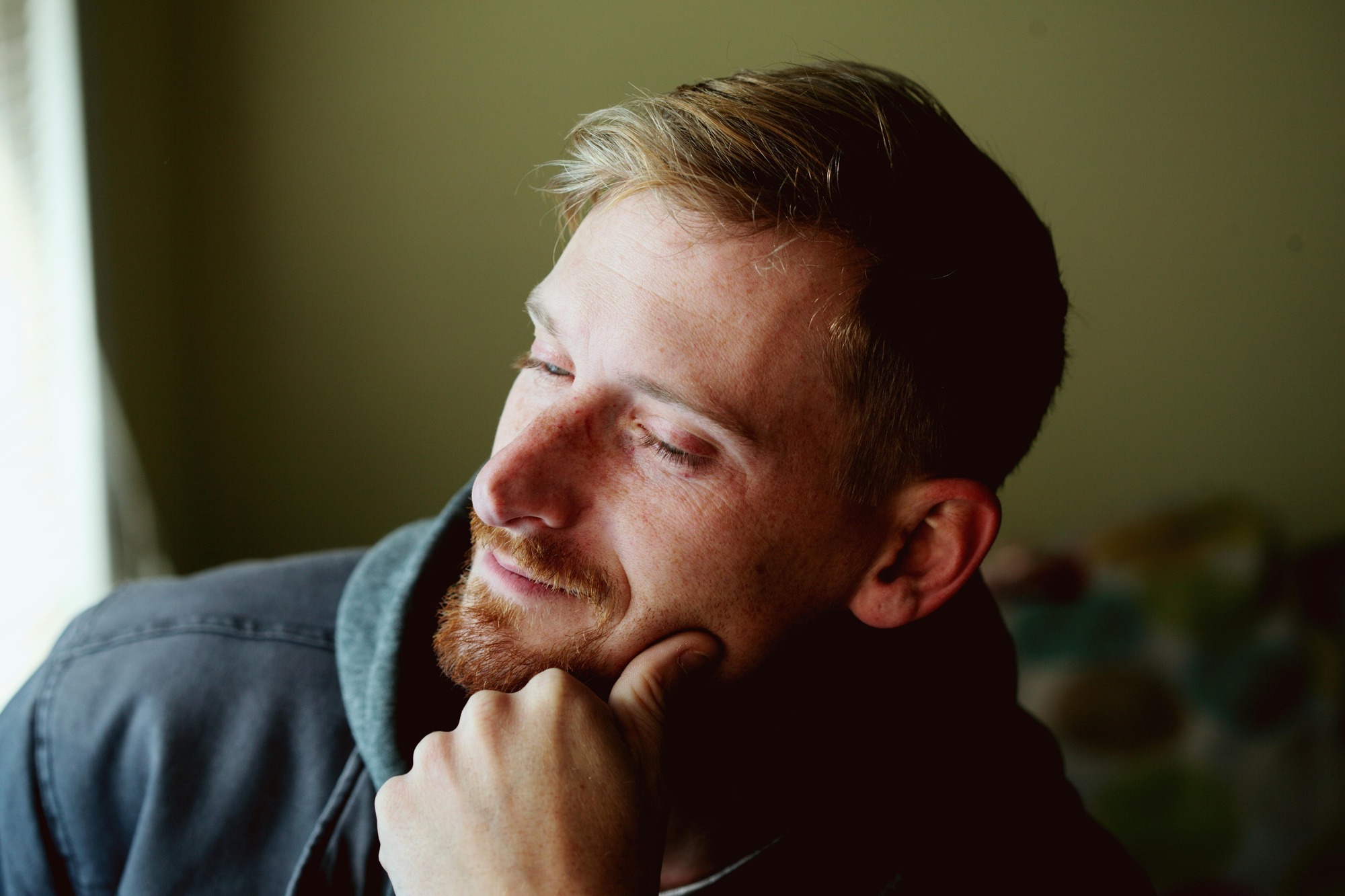
When relationship challenges extend to the whole family system—parenting conflicts, blended family dynamics, or communication issues involving children—family therapy provides a space for everyone to be heard and work toward healthier interactions.
Brain Injury Therapy
If one partner is recovering from a brain injury and it’s affecting your relationship, I provide specialized support that addresses both individual recovery and relationship dynamics.

Ready to Invest in Your Relationship?
Taking the step to start couples therapy requires courage, vulnerability, and commitment—but it’s one of the most important investments you can make in your relationship and your future together. Whether you’re facing a crisis or simply want to build a stronger foundation, you don’t have to navigate this alone.
I’m currently accepting new couples throughout Fort Collins and Northern Colorado. Both in-person sessions at my Fort Collins office and secure virtual sessions are available. Sliding scale fees are available for those experiencing financial hardship.
In-person couples therapy in Fort Collins | Secure telehealth throughout Colorado
2627 Redwing Road Suite 350, Fort Collins, CO 80526
Relationship and Marriage Resources
Building a healthy relationship is an ongoing journey. Here are some trusted resources I recommend:
Books:
- "The Seven Principles for Making Marriage Work" by John Gottman - The foundational book on Gottman Method with practical exercises
- "Hold Me Tight" by Dr. Sue Johnson - The definitive guide to Emotionally Focused Therapy for couples
- "The Five Love Languages" by Gary Chapman - Understanding how you and your partner give and receive love
Podcasts:
- "Where Should We Begin?" by Esther Perel - Real couples therapy sessions that illuminate common relationship dynamics
- "The Gottman Relationship Blog" Research-based insights and practical tips from the Gottman Institute
Online Resources:
- "The Gottman Institute" - Articles, quizzes, and tools for strengthening relationships
- "ICEEFT" (International Centre for Excellence in Emotionally Focused Therapy) - Resources on EFT and finding EFT therapists
Find more recommended resources on my Resources page